Showing posts with label gardening. Show all posts

Tuesday, July 9, 2013

Growing an Avocado Tree at Home

A great way to save money and brighten up your home is sprout your own plants. One of the easiest things you can do is use the seeds and pits you would normally toss out. Avocados make beautiful indoor plants, and if you live in a warm climate, in a few years you can plant it outside to grow a tree! Fruit bearing-trees take many years before they start to give fruit, but are still lovely and rewarding to grow at home. Below are instructions on sprouting an avocado.

1) Cut open a fresh, ripe avocado length-wise and scoop out the pit. Eat the fruit! Yum yum yum.

2) Wash off the pit, removing any traces of fruit.

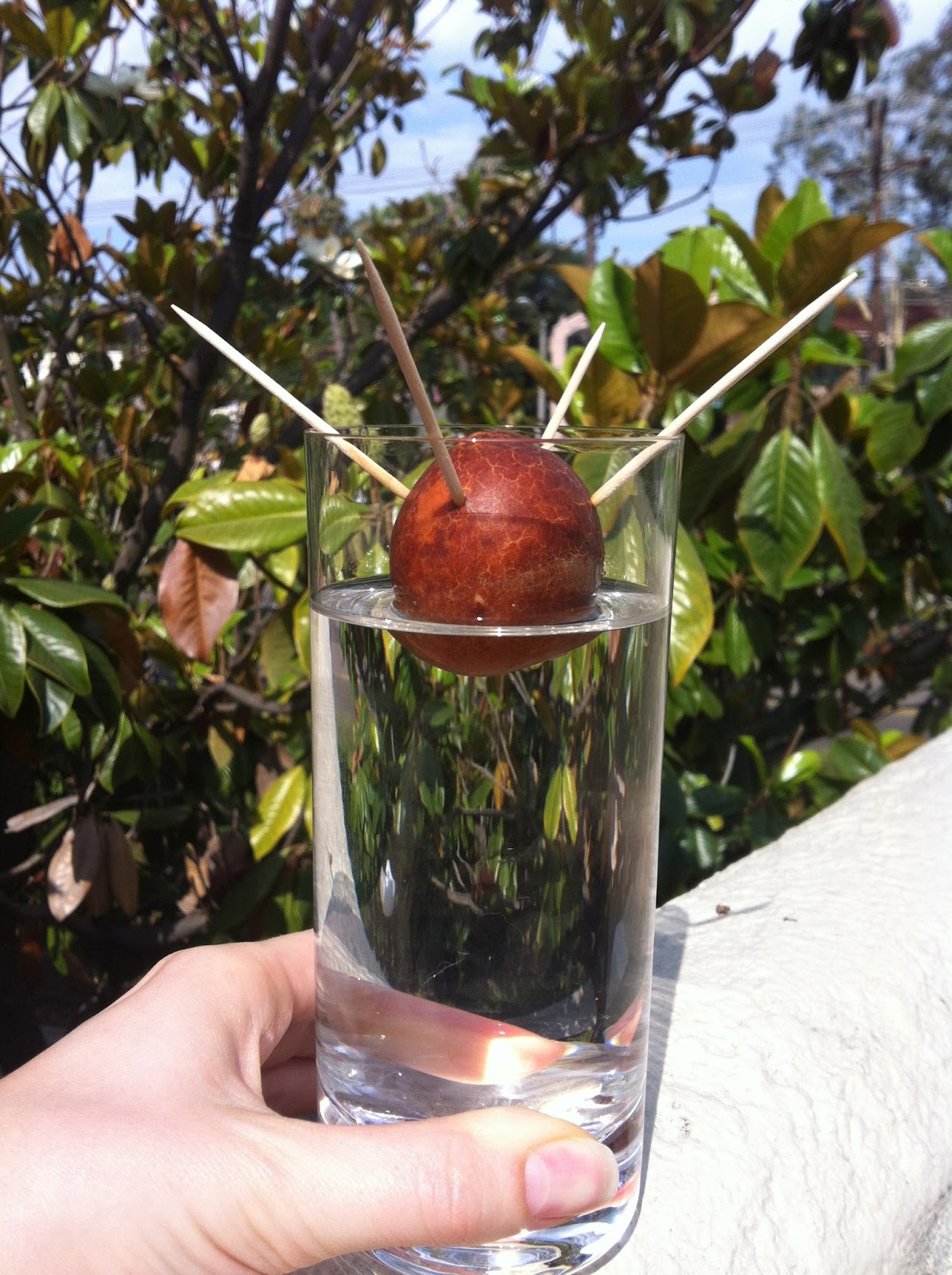
3) Press 4 toothpicks into the pit, half-way up and around the middle. Use them to balance the pit in a glass of water. The pointy side should be up, and the bottom quarter of the pit should sit in the water.

4) Let the pit rest in the water, keeping it at room temperature or warmer, for a few weeks. If you live in a colder climate or are doing this in the winter, you might want to use a heating pad or a grow lamp.

5) Refill the water as needed to keep the pit moist.

The pit will sprout roots, and eventually will crack in half with a sprout coming out at the top. This will probably take a few months. Once it sprouts, you can transplant it to a pot, gently covering the roots with soil and putting it in a place with plenty of sun.

Sprouting is the hard part, so once you have the sprout you can sit back and enjoy! Until next time, keep it clean!

Tuesday, July 17, 2012

The Incredible Edible... Dandelion!

Dandelions are a familiar weed in American backyards, known as a fluffy firework of seeds to kids and a bane to many gardeners. These sunny little plants are also a hardy, healthy, easy to grow food.

Every part of the dandelion is edible. Traditionally, dandelions have been used as an herbal remedy, mainly for digestion. The roots of dandelions can be dried or roasted. When boiled and steeped for a few minutes, the resulting tea has a rich, deep flavor reminiscent of coffee. Dandelion tea relieves heartburn and is considered an assistant to liver cleansing by herbists. I like to drink it after an especially heavy meal or the morning after having a few beers. The thick long leaves at the base of the plant are excellent in salads. Leafy greens are an excellent source of iron, magnesium, zinc and calcium and are alkalizing to the body. Dandelion leaves are also a mild diuretic, helping to prevent water retention and flush the body of waste materials more quickly. Dandelion flowers open up in sunlight, and their happy visage and fragrant nectar make a salad look happy and add an interesting floral flavor. With lots of potassium and more Vitamin A than carrots, they're also a welcome burst of additional nutrition.

Dandelions grow quickly and easily almost anywhere and in any soil. Since they are considered a weed, it is best to plant your own in containers rather than just picking them straight from your yard in order to avoid possible pesticides. Press seeds about an inch apart and 1/4 inch deep into moist soil and place in an area where your flowers can get full sun. In the right conditions, dandelions can grow up to 12 inches tall! Dandelions will take about 3 months to grow, but you can pull leaves off your dandelions for salads as much as you wish once they're grown. Dandelion roots, however, can take a couple of seasons to be ready to harvest. Dandelion tea can be purchased at many natural food stores if you don't want to wait to enjoy the roots.


Purchasing salad can get expensive. Since they grow so fast, dandelions are a cheap, healthy and easy way to stay healthy. Stay tuned for more tips on healthy living, and keep it clean!

Tuesday, June 12, 2012

Grow Your Own: Sprouts!

   Sprouts are baby plants with a lot of impact. The health benefits for these tiny seedlings are abundant. Sprouts contain antioxidants that fight free radicals along with protein, chlorophyll, vitamins, minerals, and amino acids. The enzymes in sprouts allow for the plant to digest itself, giving your hard working body a break while still invigorating you thoroughly! It is recommended to eat large portions of sprouts as they contain all essential vitamins and minerals.
    Almost any grain, legume, or seed can be sprouted and consumed. Most common sprouts are mung bean, alfalfa, and lentil, however, you can sprout just about anything! They are a delicious addition to salads, sandwiches, stir-frys, and more! You can easily purchase pre-grown sprouts at your grocer or health food store. Sprouts are also super easy, fun, and rewarding to grow yourself!!!
   To grow sprouts you don't necessarily need any fancy equipment. I have a special three compartment sprouter made specifically for this purpose. You can you also just as easily use a jar to make your sprouts! To do this you want to:
  • Soak seeds in water for 8-12 hours. Larger seeds may need longer.
  • Drain the water using a sieve or cheesecloth. 
  • Rinse seeds well and swish slightly to remove any hulls.
  • Drain again and keep seeds in jar covered with cheesecloth.
  • Rinse and drain every 12 hours.
  • Harvest and enjoy!
   Depending on what you are sprouting, you will usually be able to harvest within a couple of days! You can keep sprouts fresh in the fridge and eat within 3 weeks. If they start to get slimy or smell funky, it's best to toss them!
   Sprouts are quick and delicious nutritional powerhouses that are easy to grow yourself. I encourage you to try this method and also increase your sprout intake! Until next time, stay healthy and have fun! :)

Thursday, April 19, 2012

Easy Grow Spring Gardening

     We all know it's that time of year again, and several of us say "next spring I'll plant a garden!" and next spring comes, and we're always too busy to make it happen! This year, I actually will have a garden! I am going this weekend to visit my mother and help her plant a garden, that I too, will reap the benefits of. :) It's already mid April, so we're cutting it pretty close on time, but it isn't too late for you to grow a garden of your own, too! Today I just want to provide you with a few easy to grow veggies and a little bit about them! 
Bush Beans : Green beans are a healthy summer favorite! Green beans provide a bounty of nutrients: vitamins A, C and K, manganese, potassium, folate and iron, as well as fiber. Plant your bean seeds in well-drained soil where they’ll receive full sun. Sow seeds every few weeks to enjoy a continual harvest through the summer.
Beets : Beets are an earthy, sweet treat. 1/2 cup of cooked beets has a mere 29 calories but boasts 2 grams of fiber and provides 19 percent of the daily value for folate, a B vitamin needed for the growth of healthy new cells. Beets’ beautiful color comes from betanin, a phytochemical that’s thought to bolster immunity. You can plant your beets as soon as your soil can be worked in the spring.
Carrots : Carrots can be prepared in a variety of ways. The pigment that makes carrots orange—beta carotene—is the same compound the body converts to vitamin A, a vitamin essential for vision, healthy skin and the immune system. Plant carrots as soon as the soil can be worked. They thrive in fertile sandy loam.
Cucumbers : Cucumbers are a tasty addition to salads! While the cucumber isn’t known as a nutrition powerhouse, it does provide refreshment: at 95 percent water content, a cup of cucumber slices is nearly as thirst-quenching as a glass of water. Give your cucumber plants generous amounts of organic matter and good fertilization and they will respond with lots of crunchy cucumbers; harvest them regularly to increase production. 
Gourmet Lettuce Mix : Lettuce is easy to grow, making it a great choice for container gardening. Although nutrients differ with each variety of lettuce, leafy greens are a great start to any meal, supplying vitamins A, C, K and folate. Lettuce thrives in cooler weather so plant it in the spring and fall, sowing every few weeks for a continuous harvest.
Snap Peas : These sweet peas with edible pods make a great snack on their own, and are just as welcome cooked up into a satisfying side dish! With one-third of your daily value of vitamin C and 3 grams of fiber in every cup, these vegetables are a healthy choice. Snap peas don't do so well in hot and dry weather. Plant your peas so that they can mature as early as your planting schedule allows and sow more seeds when cooler fall days return.

Radishes : Radishes are more versatile than you may think: add them to a salad or temper their heat by cooking them in your favorite veggie stir-fry. One radish has just 1 calorie! Even if you don't have a green thumb, radishes are easy to grow in containers and gardens; spring radish varieties are often ready in just three weeks and are more mild in flavor - hotter summer soil produces spicier radishes.

Basil : No other herb epitomizes the taste of summer like basil. Whirl up a batch of pesto or sprinkle basil on your favorite pasta dish. Plant basil in rich, moist soil where it can enjoy full sun. Sow your basil every few weeks for continual harvest. 
Cilantro  : Cilantro is a flavorful herb prominent in Mexican and Southeast Asian cookery. Try it as an alternative to basil in pesto to top fish or stir it into your favorite salsa recipe. The stems are as flavorful as the leaves—just discard any that are tough. Plant cilantro early in the season and sow seeds regularly for a continued harvest.
 Parsley : Often parsley is used as a garnish, leaving its delicious flavor under appreciated. Not only does it have a great aromatic quality, but parsley also contains vitamins A and C. Plant parsley in fertile soil with good amounts of organic matter and moisture.

From us health nuts here at Azuma Leasing, good luck with your new garden! There is nothing better than fresh, home grown, organic fruits and veggies. Not only are they delicious, but they are jam packed full of nutrients! Until next time, keep it clean with your washer and dryer rentals! :)